









Pollinators contribute tremendous value to the global economy, but how do we make their role more tangible to our business-minded ModernAg.org audience? Let’s ask, “What if pollinators were a publicly held company?”


SEPTEMBER 2018

Finding answers nobody else has, to questions no one has thought to ask. The rigorous adherence to a principled, time-tested methodology. The wholehearted trust in data, reason and logic. The unmistakable structure we recognize in the world around us, and yet, the realization that we still don’t know the bounds of what’s possible, if there are any.
We love reading about science, thinking about science and arguing about science at lunch tables and cocktail parties. We’d love to do science, but we don’t think anyone would trust the really big, expensive, fun tools to someone who says “do science.”
Be that as it may, deductive reasoning is still one of our favorite hobbies. Even as creatives, we have a very special place in our hearts for objectivity and rationality. We are science people.
Before we go any further, however, there’s something else you should know about us.
The response that follows will offer our perspectives on storytelling and design and human emotion and the science behind choice. These aren’t necessarily critical to a successful web migration. But they’re essential to tackling your most intriguing challenge: raising brand awareness and inspiring visitors to becomes supporters and donors.
We love this stuff.
We want to help you inspire others to love it too.
Short on time? Read the CliffsNotes version of our recommendations. For the full experience, keep reading…
“Without emotion, we are biologically incapable of making decisions. Logic is often the last step in the process. The conscious intellectual brain steps in to produce a rational backstory to justify impulses generated in the murky corners of the unconscious mind.”
Janet Crawford sits at the intersection of neuroscience and business, and she’s not alone in her perspective. Neuroscientist Antonio Damasio confirmed as much while studying subjects with damage to the portion of their brain responsible for emotion. They were able to logically describe what they should do, but were incapable of making even the simplest decision.
Subjects with a compromised emotional center in their brain couldn’t even decide what to eat for lunch.
The decisions we’re asking of visitors to the Donald Danforth Plant Science Center website are more meaningful and more lasting.
These are emotional decisions. We need to connect with our audiences via stories that make emotional connections.
We’re biologically predisposed to stories. In early history, they’re how we passed down traditions, taught lessons, communicated danger. To this day, stories are a powerful way to learn and share those learnings with others.
Stories can inspire giving as well.
“Donors invest money and effort in charitable organizations when they feel a strong emotional and psychological connection to them.”
A compelling narrative can create that connection while giving supporters something else of value, a memorable way to tell others about the Donald Danforth Plant Science Center.
Let’s tell the stories waiting to be told at the Donald Danforth Plant Science Center. Let’s move beyond what science is possible and inspire visitors with stories of what’s possible because of the science.
The Bellwether Foundation Phenotyping Facility is a perfect example. It’s more than an automated, high-throughput platform allowing repeated non-destructive image capture and multi-parametric analysis of up to 1,140 small- to medium-sized plants at multiple time points.
That’s admittedly a mouthful. Admittedly very cool sounding. And yet, the tool is still more than that.
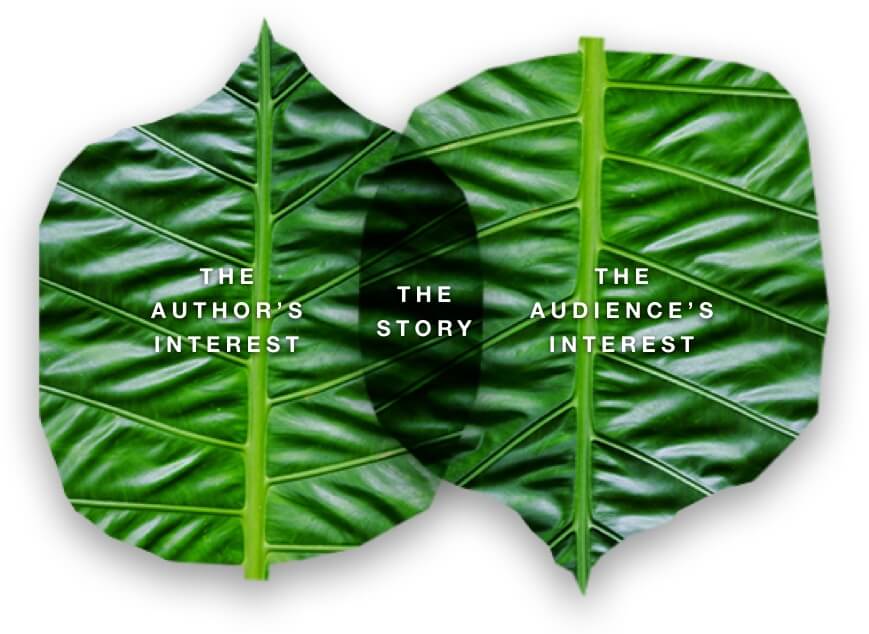
This audience-centric approach is how we’ve created digital content for existing clients. It’s what draws us to some of the best content we’ve consumed from other brands. And it’s one of the unifying traits among the reference sites included in the RFP.
Pollinators contribute tremendous value to the global economy, but how do we make their role more tangible to our business-minded ModernAg.org audience? Let’s ask, “What if pollinators were a publicly held company?”
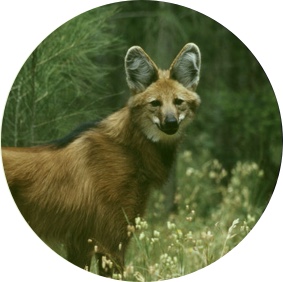
More than 4700+ different plants and animals call the world’s largest tropical wetland home, but only two percent of the area has federal protections. How does the WWF emotionally connect with their audience to support conservation efforts? They’re featuring five amazing animals that are threatened by human impact and/or habitat loss.
You’ll notice something else in today’s best-in-class examples of digital experiences and content creation. They’re beautiful.
That’s not just because of the emotional impact aesthetics have on a user, which would be more than enough justification. A website is the single most accessible articulation of a brand, its greatest ambassador. And first impressions—aesthetic, design impressions—are critical, because we know...
Visual storytelling is also important because we are visual learners. We process images 60,000 times faster than text, and 90% of what’s transmitted to the human brain is visual.
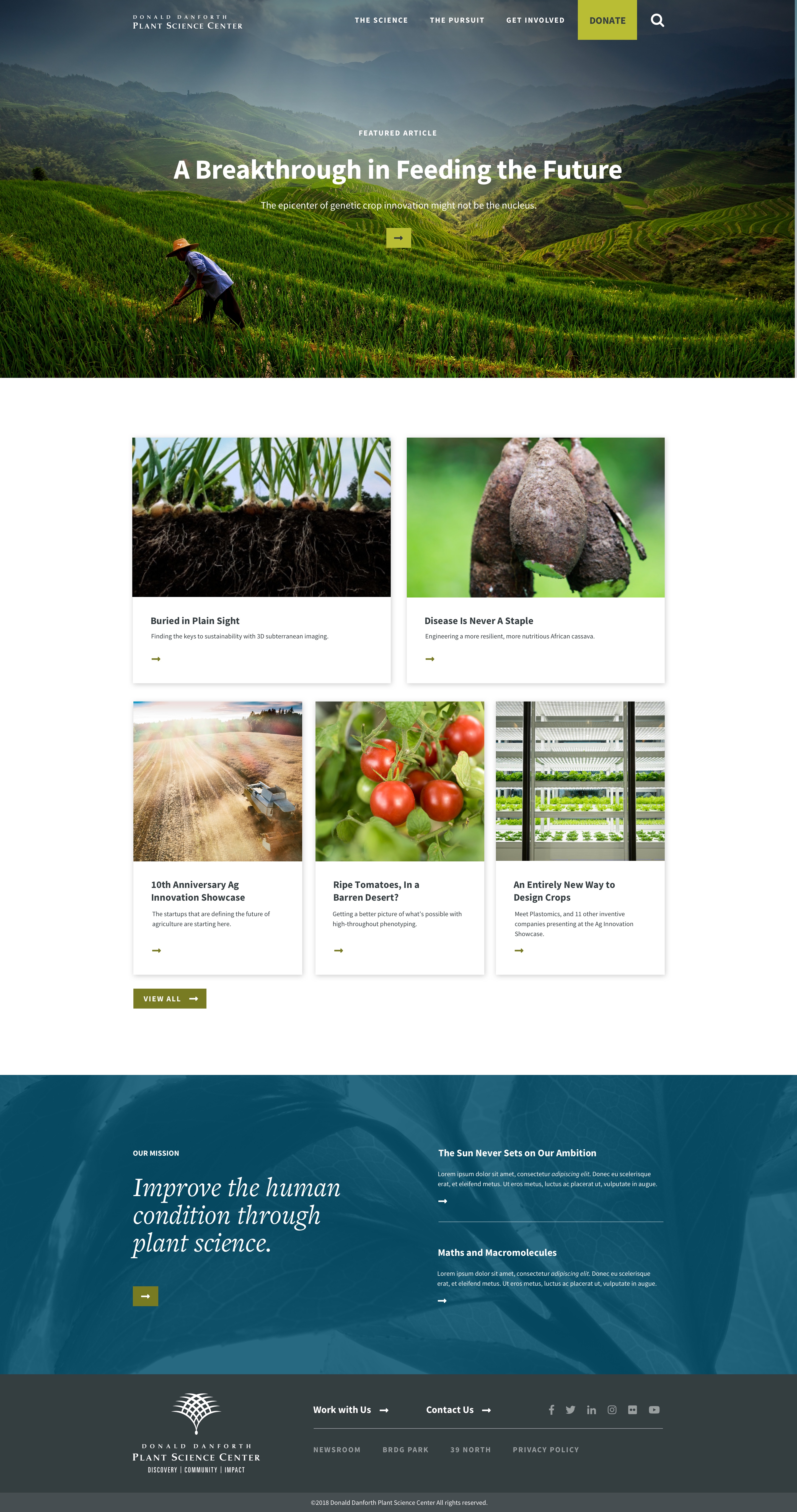
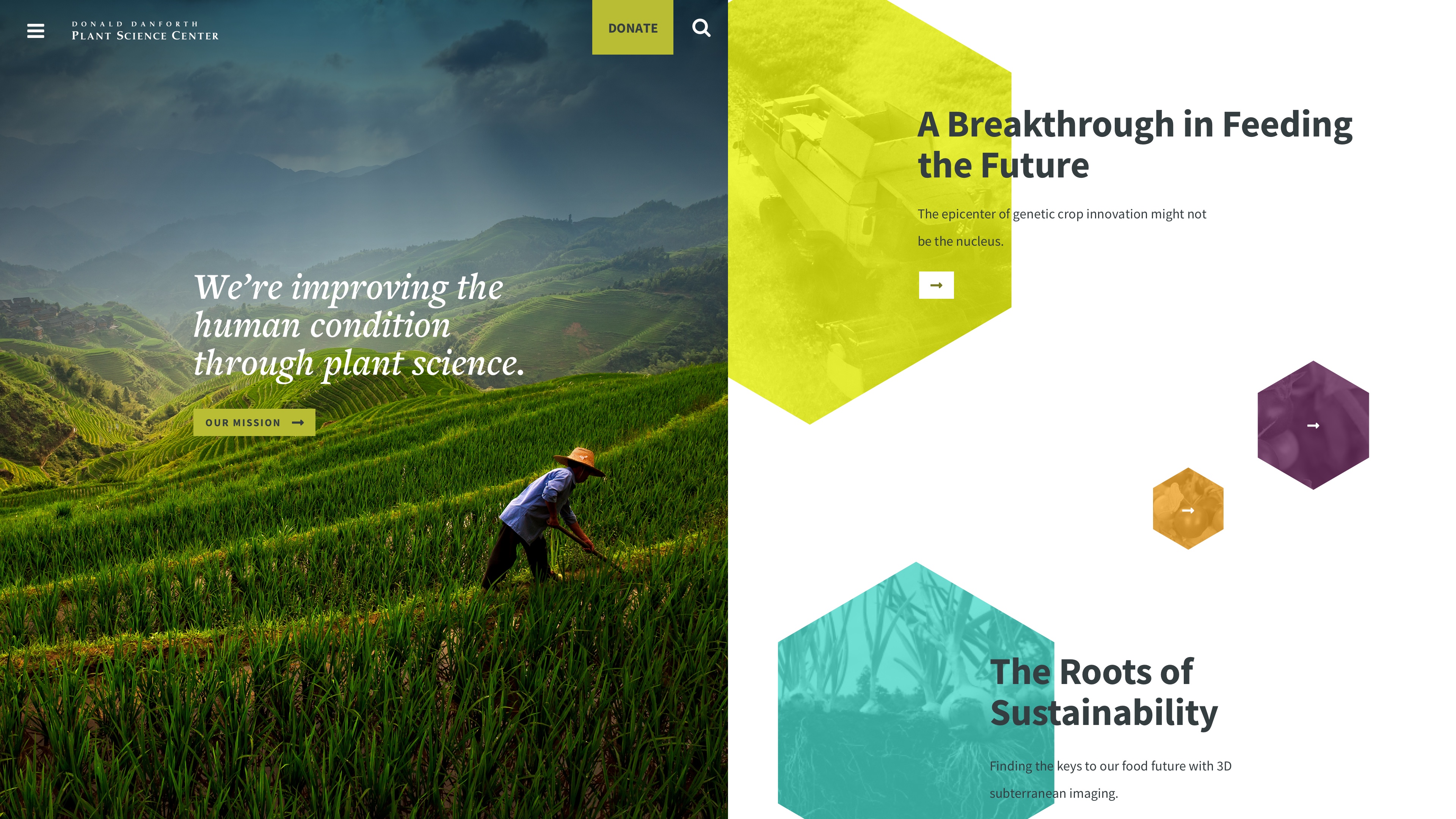
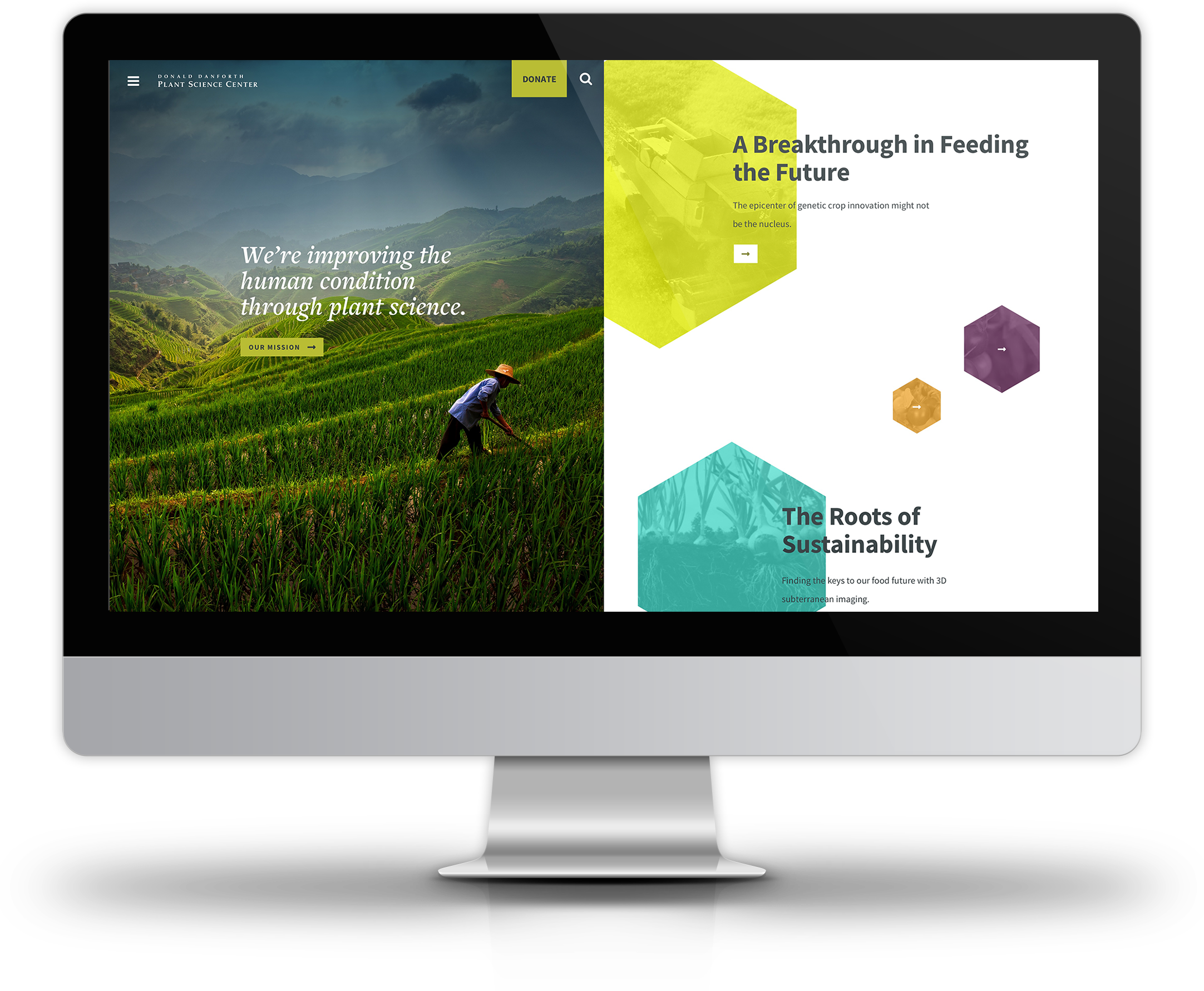
What could this visual, emotional, science-based storytelling approach look and feel like for the Donald Danforth Plant Science Center?
In truth, the science of web design is like all other disciplines. We need to follow the right processes to make sure we get to the right strategic framework. We look forward to the opportunity to do that work with you. In the meantime, we can’t help but imagine the possibilities for the new danforthcenter.org.
The short answer is we recommend a combination of original photography and stock resources. Custom assets give us the most creative and compositional control, and will be vital for images unique to the center (our people, spaces, key brand-defining visuals, etc.). A highly visual experience, however, isn’t exactly sustainable with custom assets alone. We’re all for sustainability, and can establish a style guide for selecting stock assets as well as creating original art that isn’t photographic.
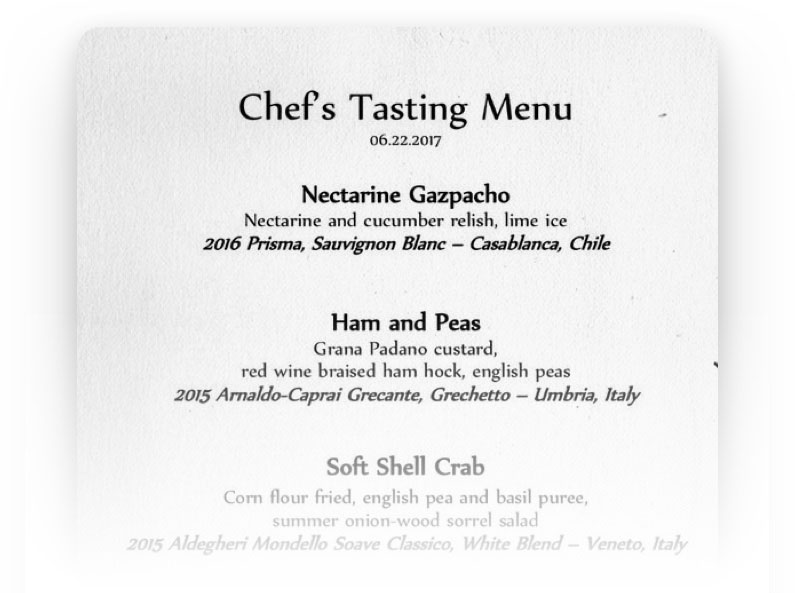
We’re tempted to give users (or diners) all the options. Every possible way in which we can prepare beans, cheese, protein and rice, in the case of our Tex-Mex example. Choice is good, right?
NN/g, the self-proclaimed (and oft-credited) World Leaders in Research-Based User Experience, point out another peril of too many options in this article. Once a decision has finally, exhaustively, been made we’re left with a nagging feeling that we missed something important.
The better dining experience is the bistro where the chef interprets local tastes, seasonal timing and delivers a simple, easy-to-navigate menu that anticipates the flavors for which her guests are looking.
This is true, by the way, universally. The types of relevant content vary by audience. The precise image of beauty varies depending on who you’re targeting. But according to a joint study by Harvard, the University of Maryland and the University of Colorado one thing is true for all of us.
Scientists, donors, educators, job seekers, event goers, granting agencies and casual science-minded browsers. How can we create a simple, intuitive user experience when we have so many audiences?
To fully answer that question, we need to do the research, with you, into your audience behaviors and analytics. We can’t guess.
When evaluating a site’s user experience design, empirical data is always better than guessing— even if that data is small. Some form of user research is required to ‘get into the minds’ of users, to understand their behaviors and motivations, what they are trying to achieve, and the wider context of their actions. This can involve research techniques ranging from user interviews and surveys, to insights from help-desk staff and web analytics. To avoid bias, you need to learn about your users, involve them in the design process, and interact with them.
But to partially answer the question, there are two broad ways.
Instead of structuring navigation and site architecture around who the audience is, design it based on the intent of what they’re hoping to experience. As an example, this might manifest in two primary paths:
The idea of a single landing page or homepage is obsolete. With a modular, templated design approach, backed by a robust content strategy, we can better anticipate needs and deliver users to the information they need when they need it.
We’ll test, learn and optimize along the way. Like any science, web design and user experience requires constant curiosity and ongoing analytics. But our fundamental UX design philosophy has always proven to be true:
Don’t forget about your transactional audiences, but know they behave differently and have different user expectations. If a visitor is looking for something specific (a job listing, employee directory, or how much it costs to rent the auditorium), then we know this to be true:
They’re willing to do a
… we can prioritize site navigation and architecture so that more utilitarian, transactional tasks don’t compete with our brand purpose and the impression with which we leave our primary audiences.
Understanding the role of your website within the larger digital landscape (and development efforts) is a crucial step in the discovery and planning process that will provide a strategic framework to inform decision making across design, development and content strategy. It also provides a framework for measuring success.
A visitor from an @DanforthCenter tweet
Spends 60 seconds reading an article
Shares the article with colleagues
A job seeker from organic search
Successfully navigates off site to a paycom portal in 35 seconds
Guest clicks through email received after a Seeds of Change event
spends 5 minutes researching Young Friends Giving Society
donates at the Advocate tier
Beyond the emotional, brand building benefits of storytelling, there’s another advantage to an audience-centric content approach...
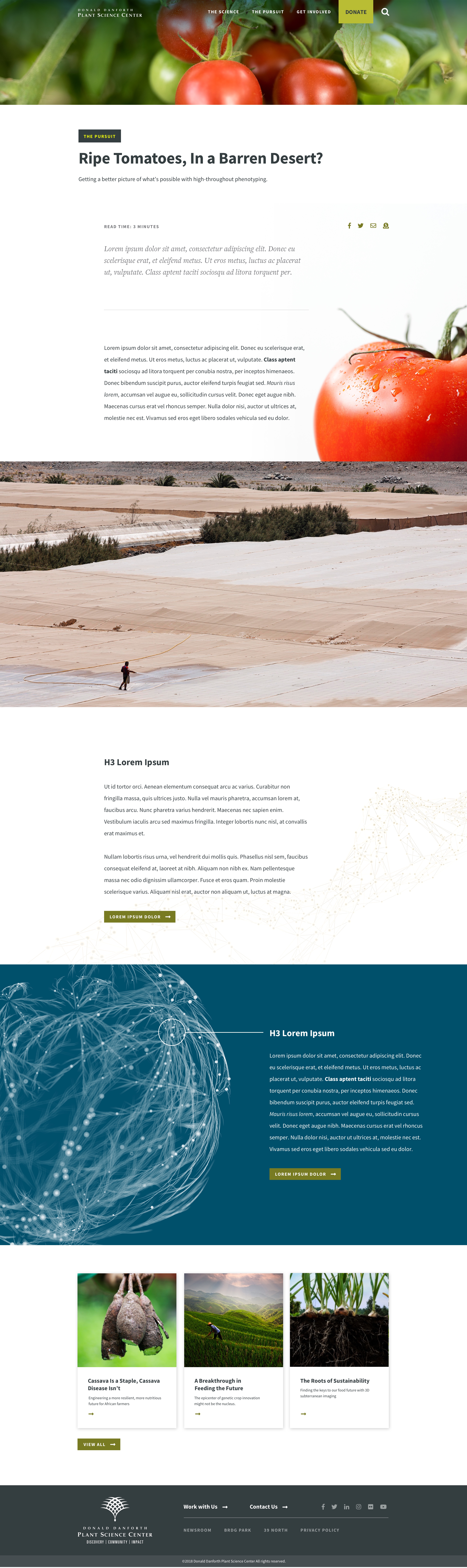
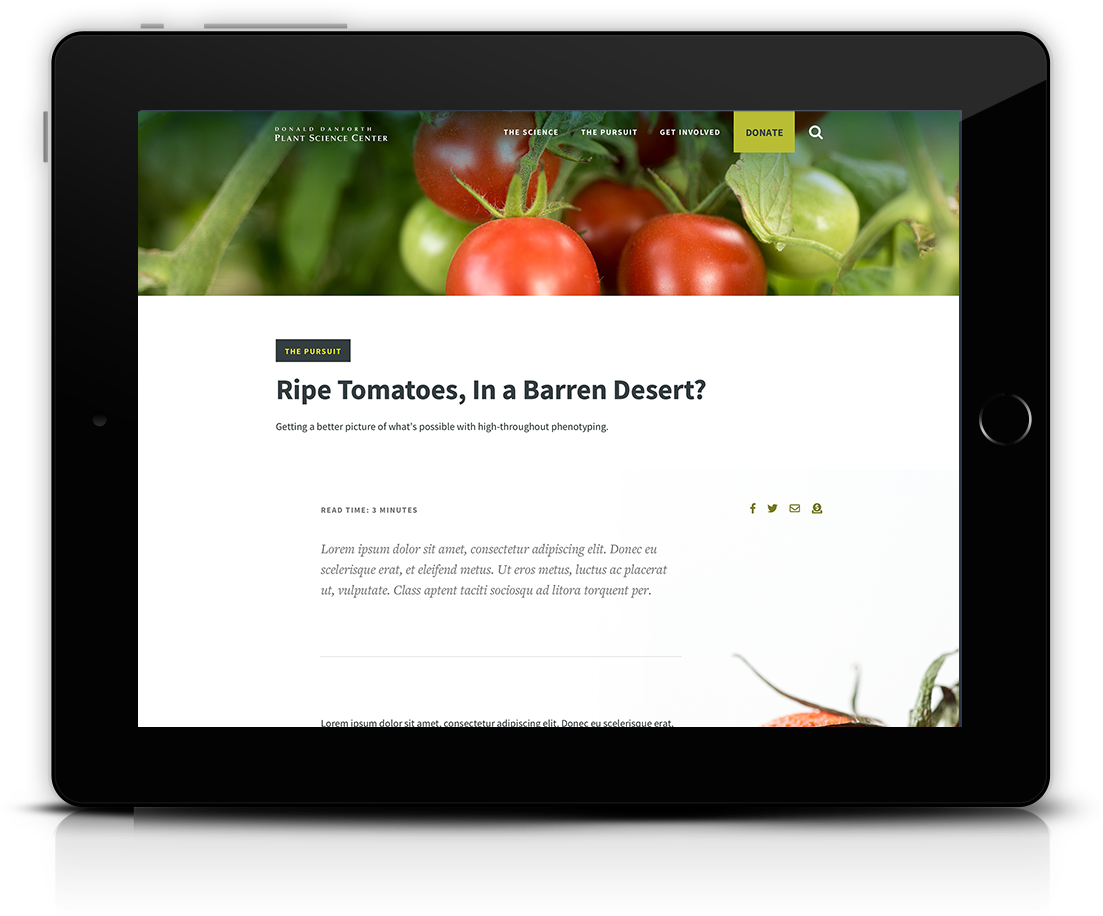
That story about the tomatoes and the phenotyping facility? Assets and copy from that content piece can inform and extend to:
That story about the tomatoes and the phenotyping facility?
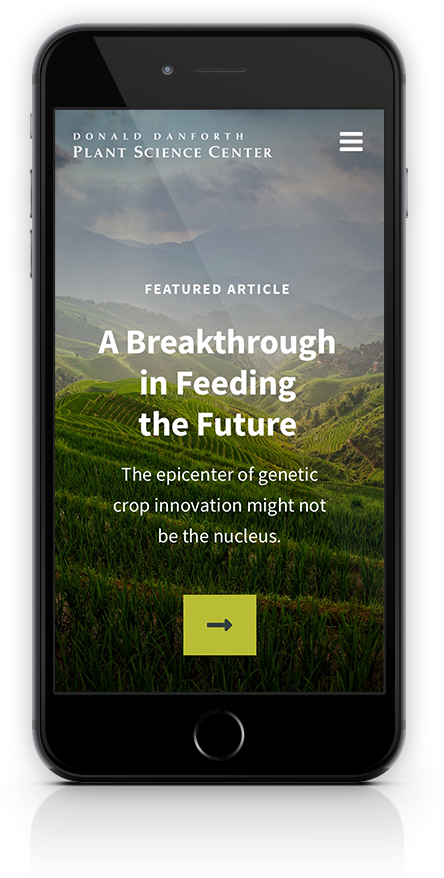
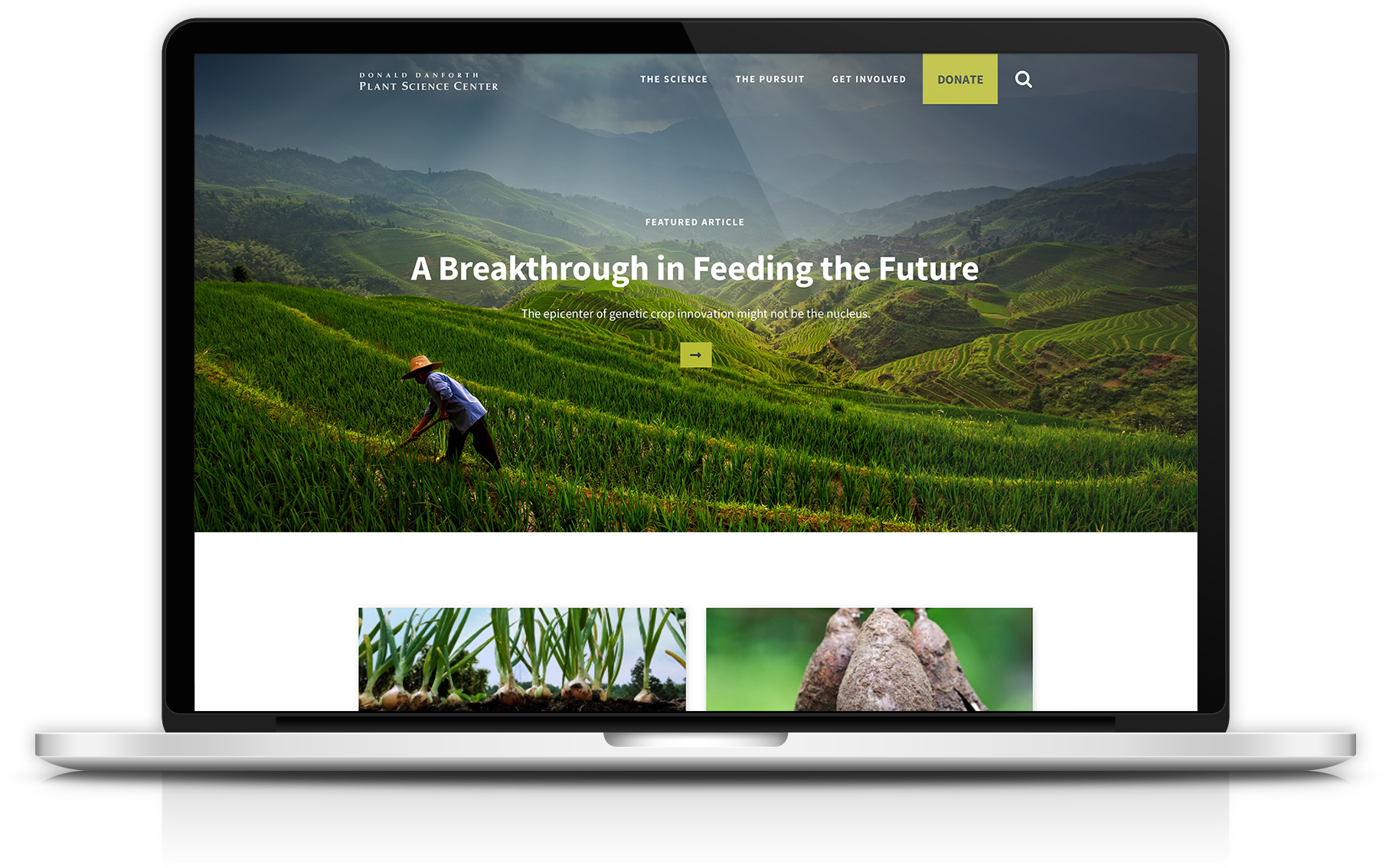
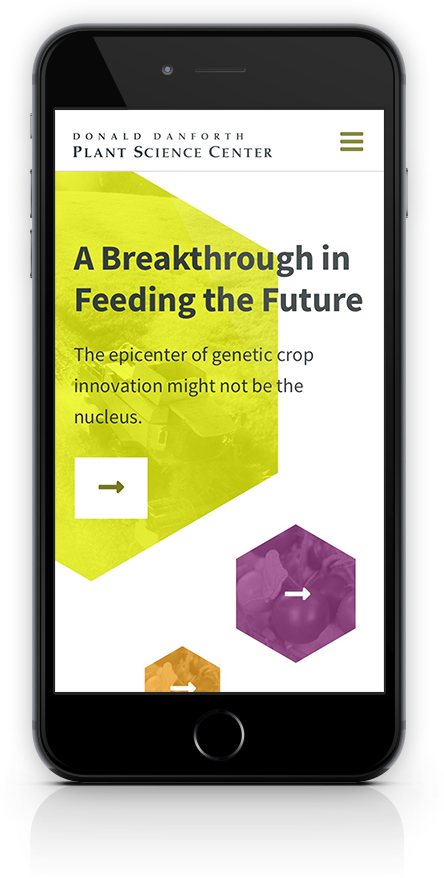
RESPONSIVE DESIGN IS RESPONSIBLE DESIGN. We approach all web projects with this in mind. While print media has physical constraints, the Web doesn’t and therefore can be more flexible. The user must have a superior brand experience. That means creating a site that responds to every device on which it’s displayed, with special attention given to a dominant (and growing) mobile audience.
OUR SEO EFFORTS WILL BE SWIMMING UPSTREAM. The Danforth name has left its mark on a variety of search results as much as it has institutions of learning & research all over the St. Louis area. Then there's that other regional science center to contend with. The bulk of the 649 search terms where danforthcenter.org may appear in the first 50 results are largely devoted to:
Let's refine what we really need from an SEO strategy: a content plan to ensure every piece of content can work as hard as it can for you and for your audience.
As part of the content migration process, we'll incorporate the data we've gathered along with keyword research and site structure into a content plan, highlighting among other items:
PLANT SCIENCE FOR ALL. Paradowski enacts several accessibility guidelines to ensure all users have the best site experience possible regardless of limitations or disabilities. These include:
MEASURABLE BEHAVIOR AND ACTIONABLE INSIGHTS. A key piece of the site redesign is laying the groundwork for capturing user behavior in meaningful ways. Our strategic approach cuts through the noise of data collection and allows you to focus on identifying trends that lead to better conversion rates. We have used this approach to support large-scale site redesigns for corporate websites, as well as small, transaction-focused sites. This approach can be adjusted to scale with the scope, existing audience research, and the availability of legacy data from your social media channels and websites.
DESIGNING FOR SITEFINITY. We've worked with a number of Content Management Systems. We've even built a few ourselves, because there's a right tool for every job. That's probably how you feel about Sitefinity. You’re confident it's the best tool to get you the most security, is the easiest to use, and you can efficiently develop for it.
Our designers will collaborate with our 12 expert in-house developers to ensure our solutions utilize Sitefinity's capabilities and maximize dynamic editing through an understanding of the CMS and its architecture.
We will develop for Sitefinity too, if needed. Our developers are highly adept and capable to work with ASP.NET MVC and Sitefinity.
A NOTE ABOUT STYLE AND THE VISUAL LANGUAGE. As the most accessible, and often the most robust representation of your brand, a website should also be a shining example of the brand standards. Throughout the design process, however, we will make recommendations for web-specific fonts, composition, illustration or animation styles, video guidelines and color selections. As part of the deliverable, a working danforthcenter.org style guide will provide parameters against which other content owners and contributors can execute.
CONTENT DEVELOPMENT FOR THE REST OF US. This proposal includes scope to create ten introductory content pieces for the launch of the new site. It will also include tone, voice and story direction to be included in the style guide. Those guidelines will help non-specialists and outside parties create content consistent with the creative direction for danforthcenter.org.
That being said, the life of a web property is more critical to its success than its launch. If afforded the opportunity, Paradowski Creative would love to remain involved in ongoing site maintenance, optimization and content creation. Ála carte estimates to each end have been included in the Time and Budget section.
Phase 1:Discovery4 Weeks
Phase 2:Definition3 Weeks
Phase 3:Diagram4 Weeks
Phase 4:Design8 Weeks
This budget, and our own investment in the project, is a reflection of our appreciation for—and support of—the Danforth Plant Science Center. We warned you at the beginning. We love the work you do and the mission you’re working toward. We want to be part of it.
Beyond the initial strategy and design scope, Paradowski is invested in making danforthcenter.org an ongoing success. Additional agency offerings are currently out of scope, but are available for consideration. We are willing to provide a 20% discount, as shown below in parentheses.
Back-end and front-end development and integration of API’s or 3rd party features, analytics setup and quality assurance testing on a variety of browsers and devices.
A website maintenance SOW can be prepared based on needs following the site launch.
Initial setup and configuration for goal conversion tracking within Google Analytics, including Google Tag Manager for custom event tracking. Also includes monthly reporting on visitor types, engagement and identified site conversions for one year.
Provide guidance for future content updates, ensures that multiple authors of the site are contributing with a consistent tone and style of voice.
Based on learnings from Phase 1, we can discuss your needs for developing a content strategy plan that works towards business goals in tandem with the new site.
Captures the Danforth space, people, key brand-defining visuals, etc. to provide custom assets to further support stock photography.
Based on brand needs, we can provide design and copy support to refresh content each year. We can further discuss and develop a custom plan.
We build brands, campaigns and digital experiences for some of the largest companies on the planet, as well as some of the smallest, not-for-profit organizations. Basically, we do work we believe in, for clients we believe in. We believe in design for all brandkind.
If you look at our business cards, you’ll see titles like art director, writer, strategist, developer and account director. But our dirty little secret is that each one of us is really a designer.
We don’t create “ads,” “websites,” “post cards” or “content.” We design amazing experiences.
Great. We built a website—we mean, an experience— where you can find out more about the agency, our work and all the people who really make this place unique.
At Paradowski.com, you’ll inevitably find yourself reading about how many chicken wings Gus, our President, can eat during lunch. Or marveling at Brad’s hairstyles in the 90s. It happens.
But don’t miss the case studies. These efforts, in particular, are relevant examples of the kind of work we’d love to have to the opportunity to create for the Danforth.


 (caveat: let’s assume both restaurants make an equally impressive margarita and that, for once, is not a factor)